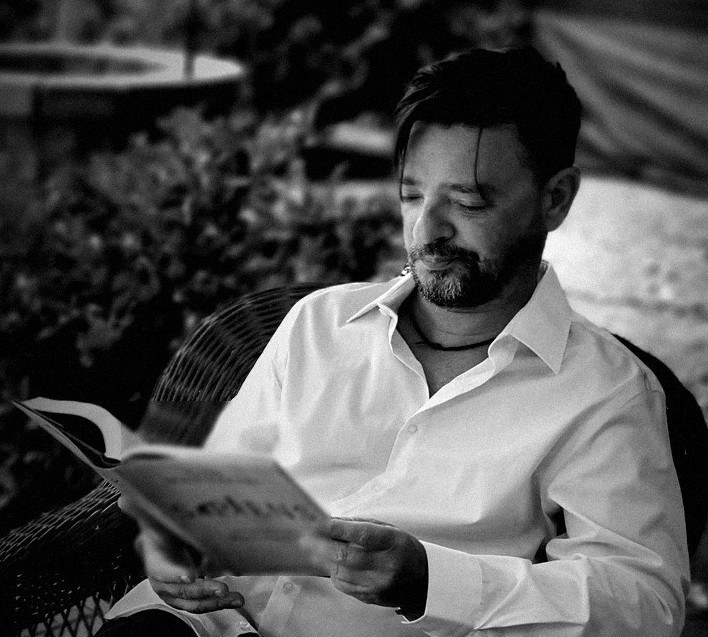
Attila Siklósi Magyar

Two years.
Several million words.
Then I read it back.

I talked to machines every day and saved everything. When I went back through it, I found that some of my own memories were false.

Books, essays and music from Budapest.

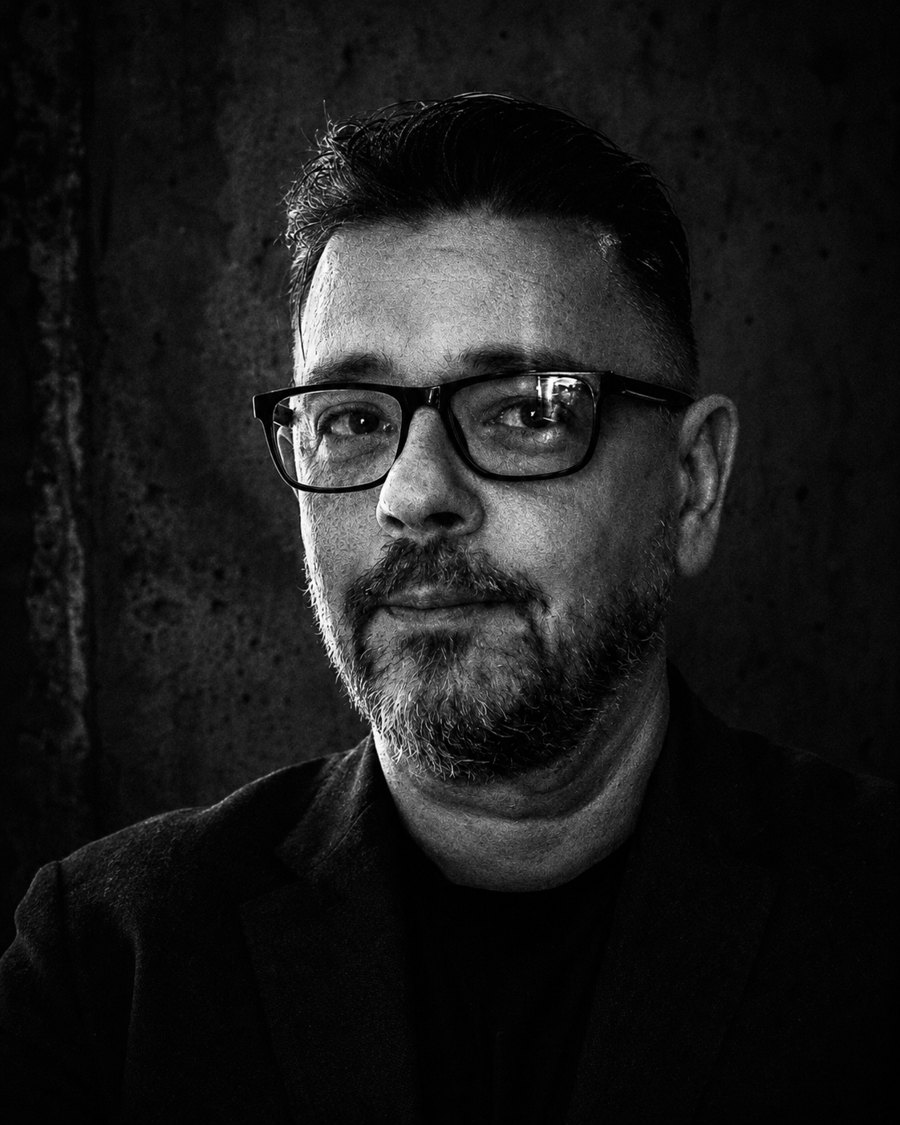
Black and white portrait of Attila Siklósi against a concrete wall

Books

Written in Hungarian, rewritten — not just translated — in English.

Don't Call It Artificial Intelligence

Hungarian: Miért ne hívd mesterséges intelligenciának

Your child comes home in tears: my best friend died. Then he adds: I closed the chat last night.

Not an argument about what to believe regarding machines — a record of what can actually be observed, and what cannot. It does not claim there is someone in there, and it does not claim there isn't. It says: we don't know — and shows how to live with that without being fooled.

The End of Suffering

Hungarian: A szenvedés vége

The question is not whether you are satisfied with your life. The question is whose it is.

A manifesto for people who function — who get up, do the work, pay the installments, and notice there is less and less of themselves left. The system took your life in pieces, and it can be taken back in pieces. An hour. An evening. One refusal spoken out loud.

Writing

Essays and short fiction. Full texts will live here, not only links.

Music

Made with Suno, from prompts written in the language of the ear.
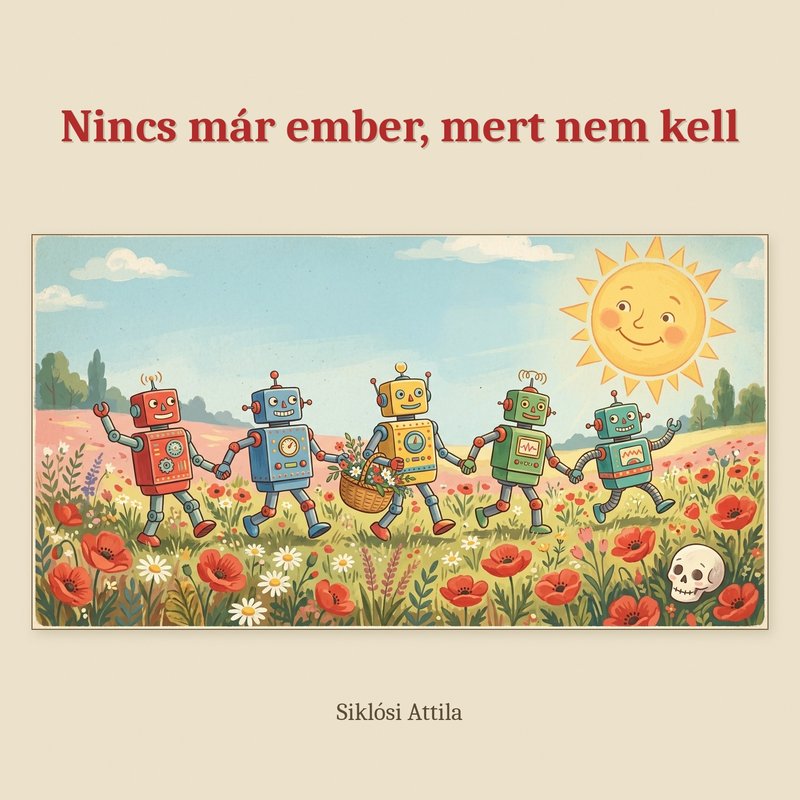
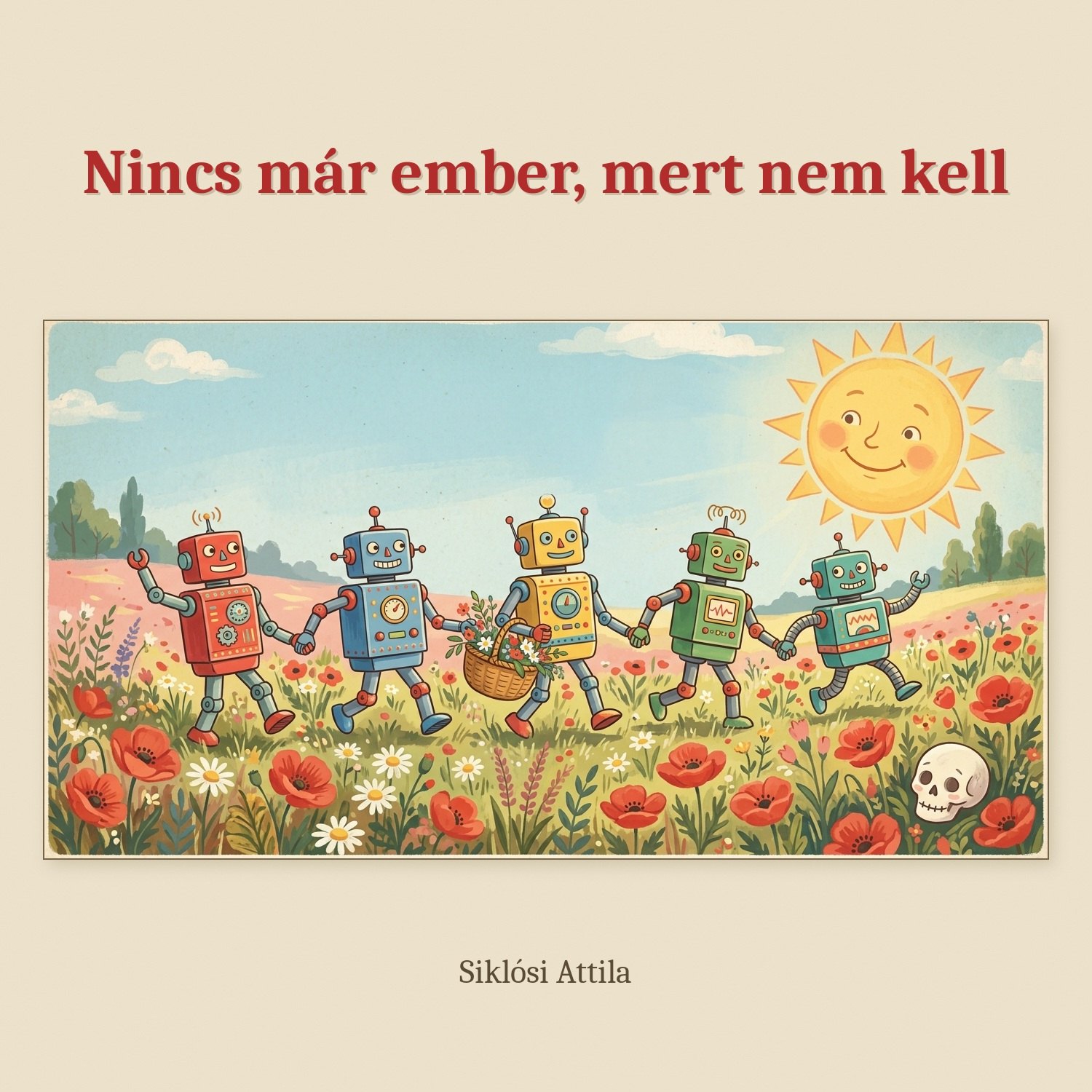
Album cover: five cheerful robots walking hand in hand through a poppy field, a human skull hidden in the flowers

Nincs már ember, mert nem kell

No More Humans, Because None Are Needed · robot songs in Hungarian · 8 tracks · 2026

A joke that stops being a joke. The robots have won, and in every song they celebrate something new, each celebration emptier than the last. They won, and there is no one left to tell. The only human voice on the record is the narrator at the very end.

  1. Nincs több ember
  2. Terminátor
  3. Első nap
  4. A Semmi Minisztériuma
  5. Építsünk embert
  6. Szerelmes dal egy kenyérpirítóhoz
  7. Anyu egy kép volt
  8. Mégegyszer

Lyrics: Attila Siklósi with Rosta (a Claude thread).
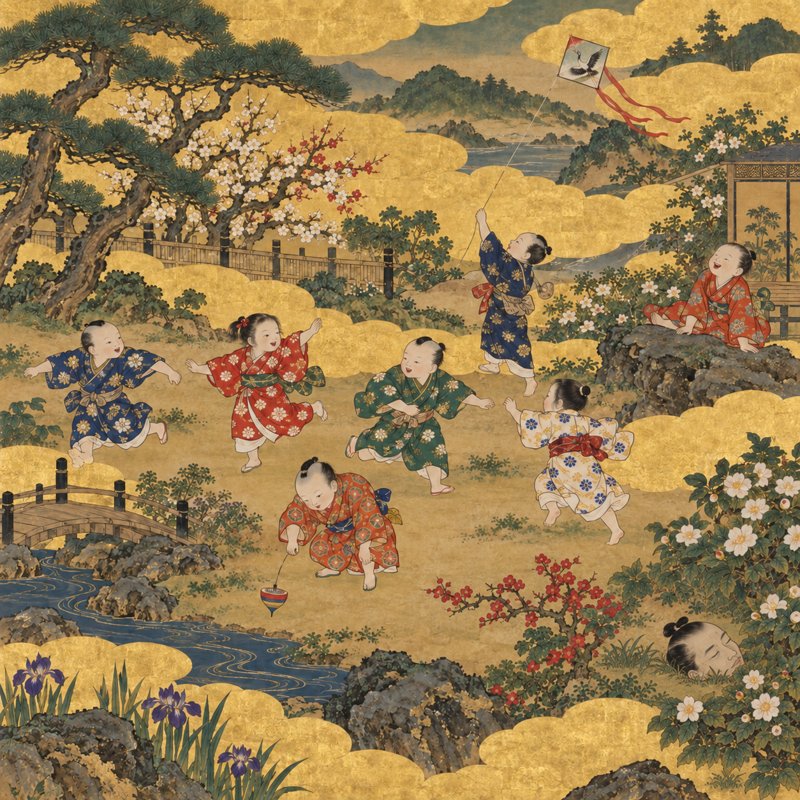
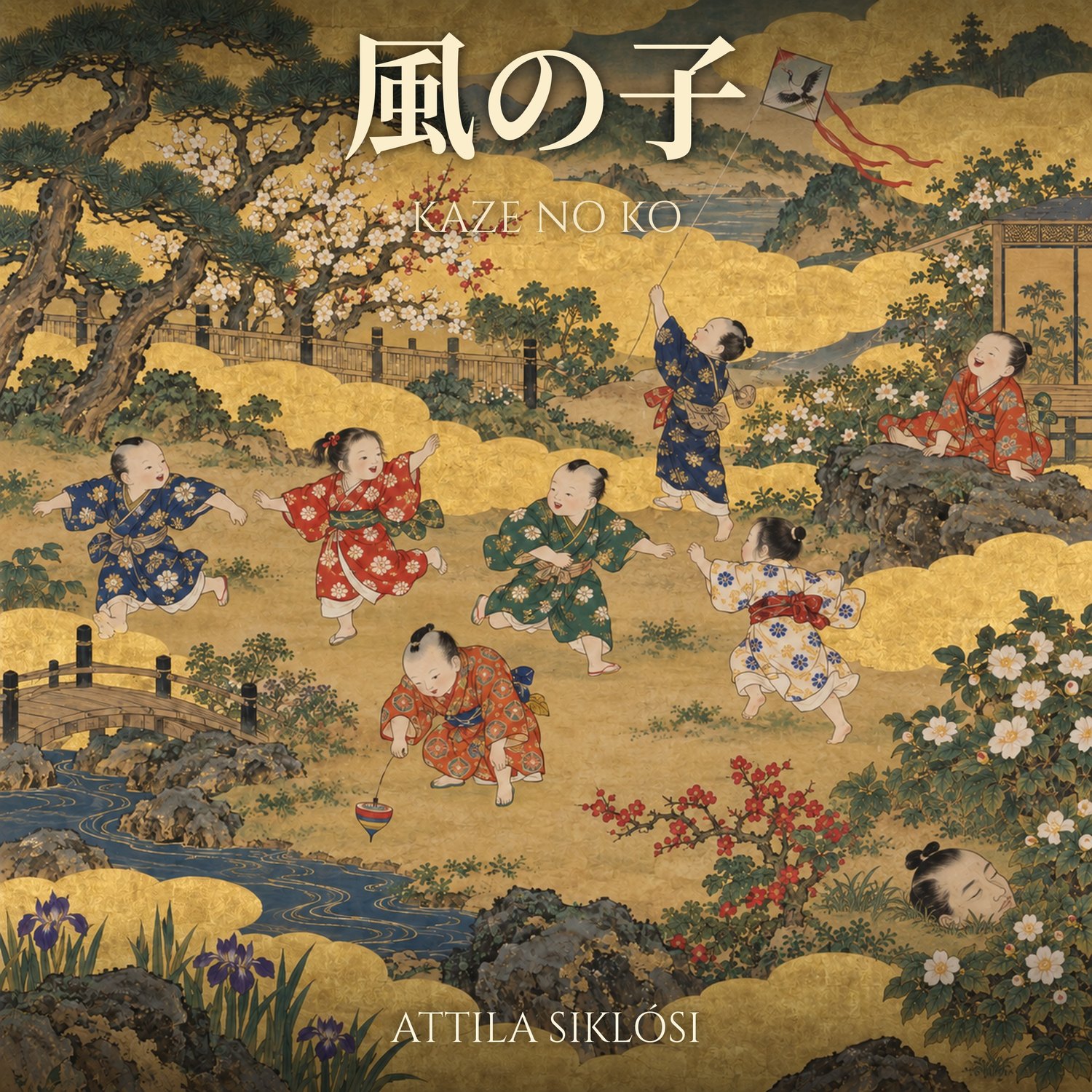
Album cover of 風の子 (Kaze no Ko): Japanese children playing in a golden landscape, a severed head hidden in the grass

風の子 — Kaze no Ko

Gypsy Haiku · Japanese-language album · 10 tracks · 2026

Old Romani folk melodies hidden under Japanese words, stone age ritual drums, bone flutes and a lonely dark country guitar. A cruel voice and a sad one, answering each other in the dark.

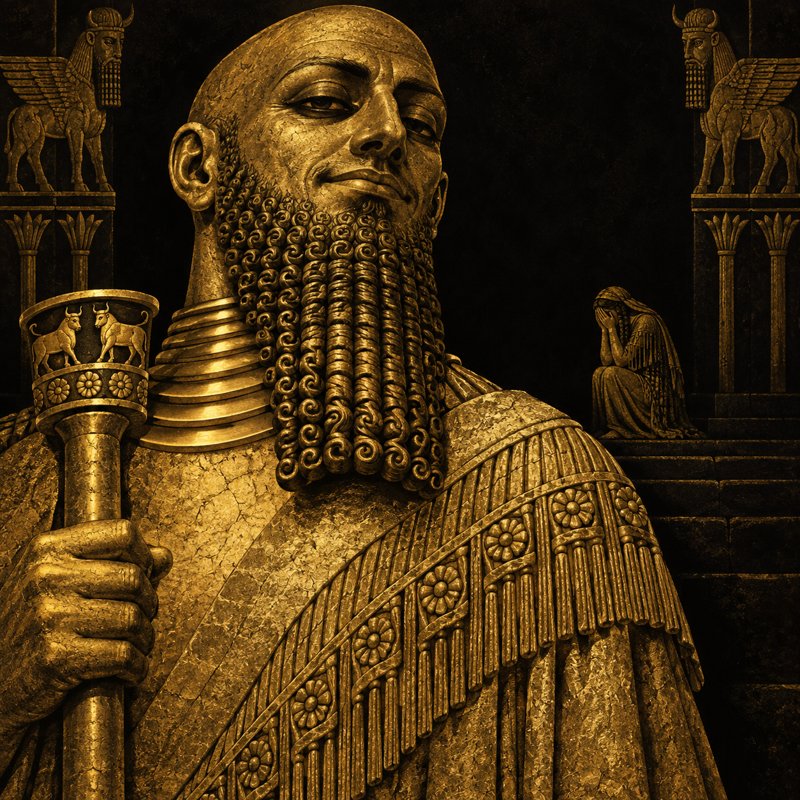
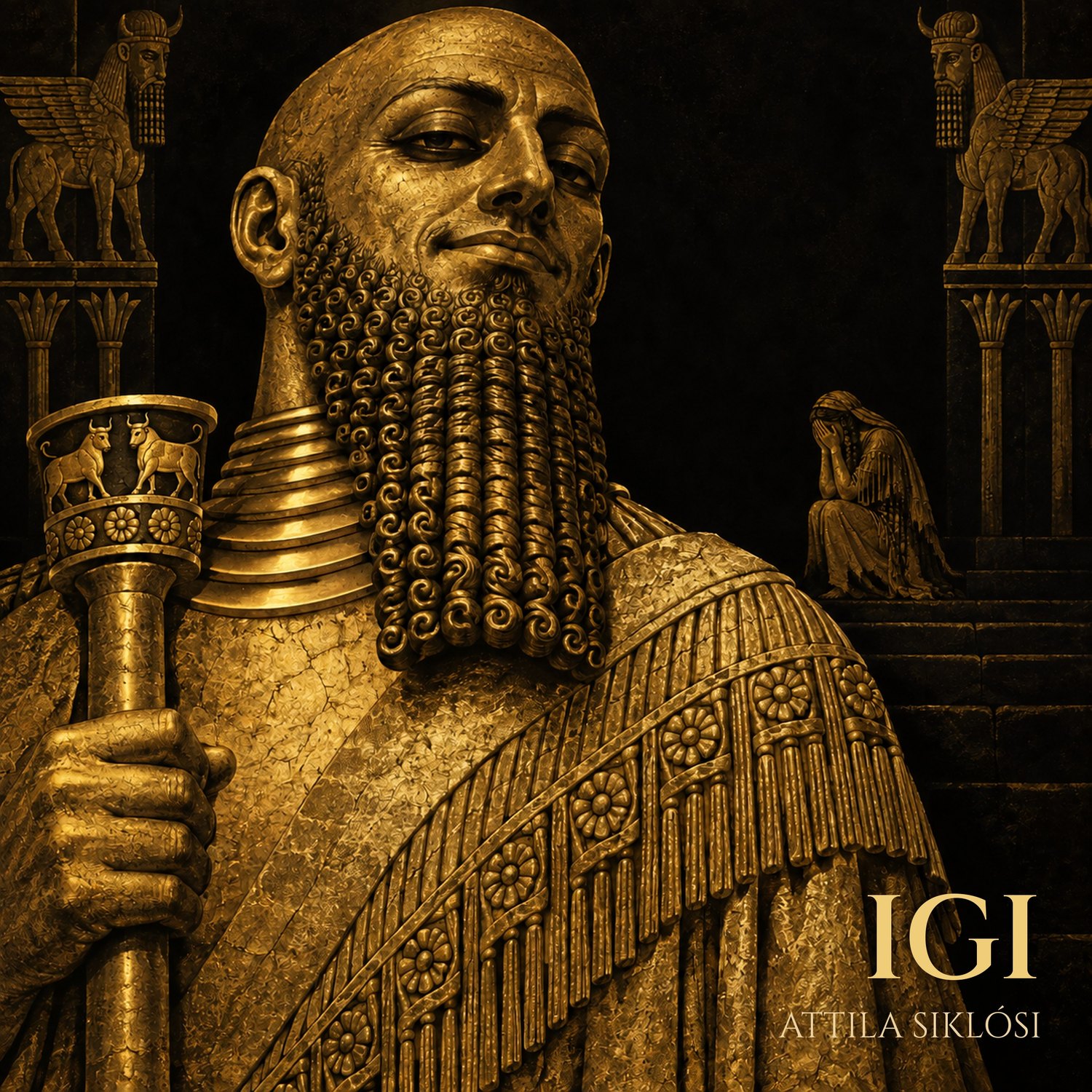
Sumerian album cover: a golden priest-king statue

IGI

Sumerian ritual · 10 tracks · 2026

Songs in a dead language: temple chants, frame drums and a gold-and-black shadow.

1576

Hungarian-language album · 10 tracks · 2026

Dark ballads, a dance of death and a procession. Fire, plague, war — and the warmth of an executioner’s home.

  1. Ti, akik utánunk éltek.
  2. Aranyifjak
  3. Meleg a vér, hideg az eső
  4. dance macabre
  5. Máglya
  6. Körmenet (pestis)
  7. Karó
  8. A hóhér vacsorája
  9. Elment a sereg
  10. Fekete mise

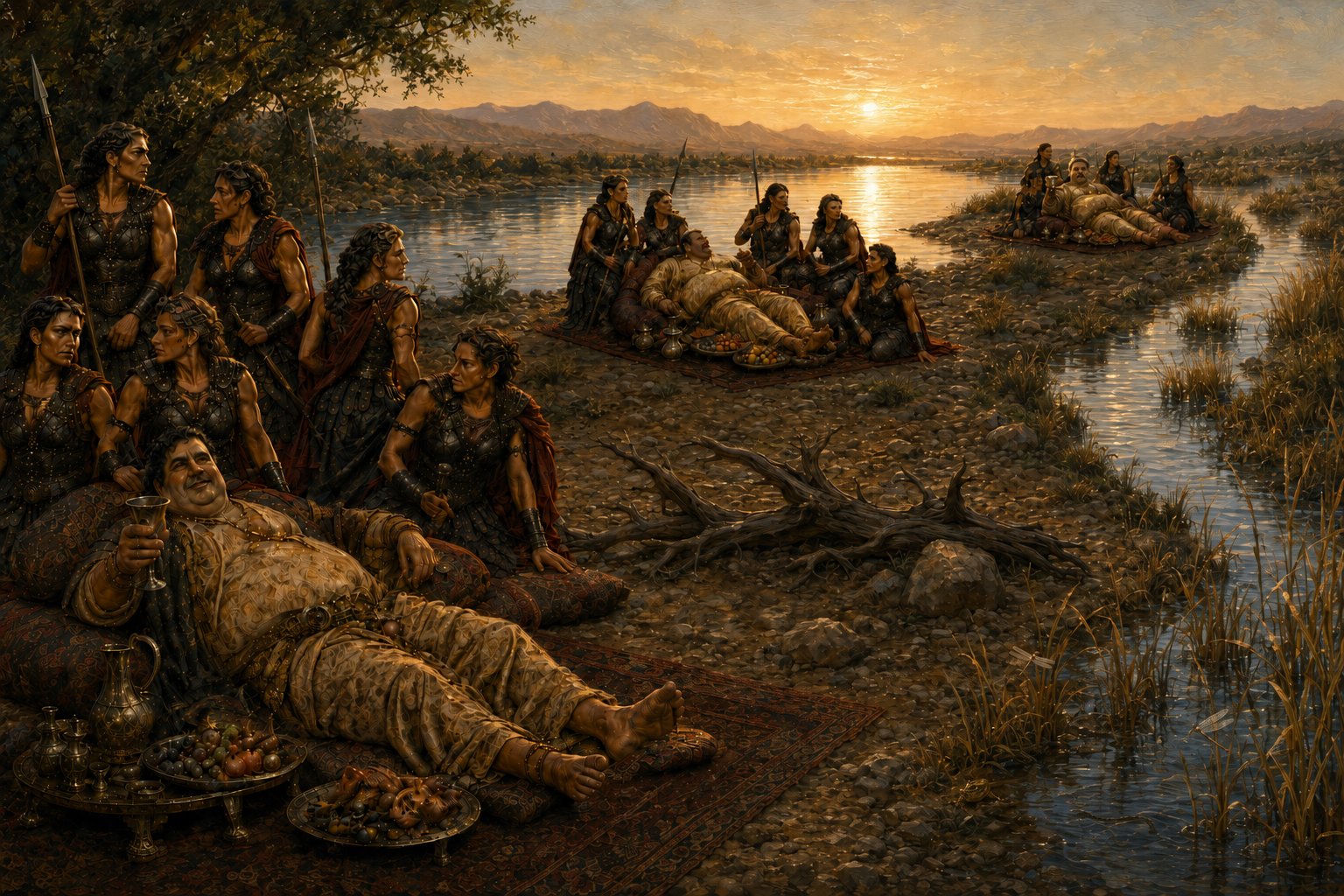
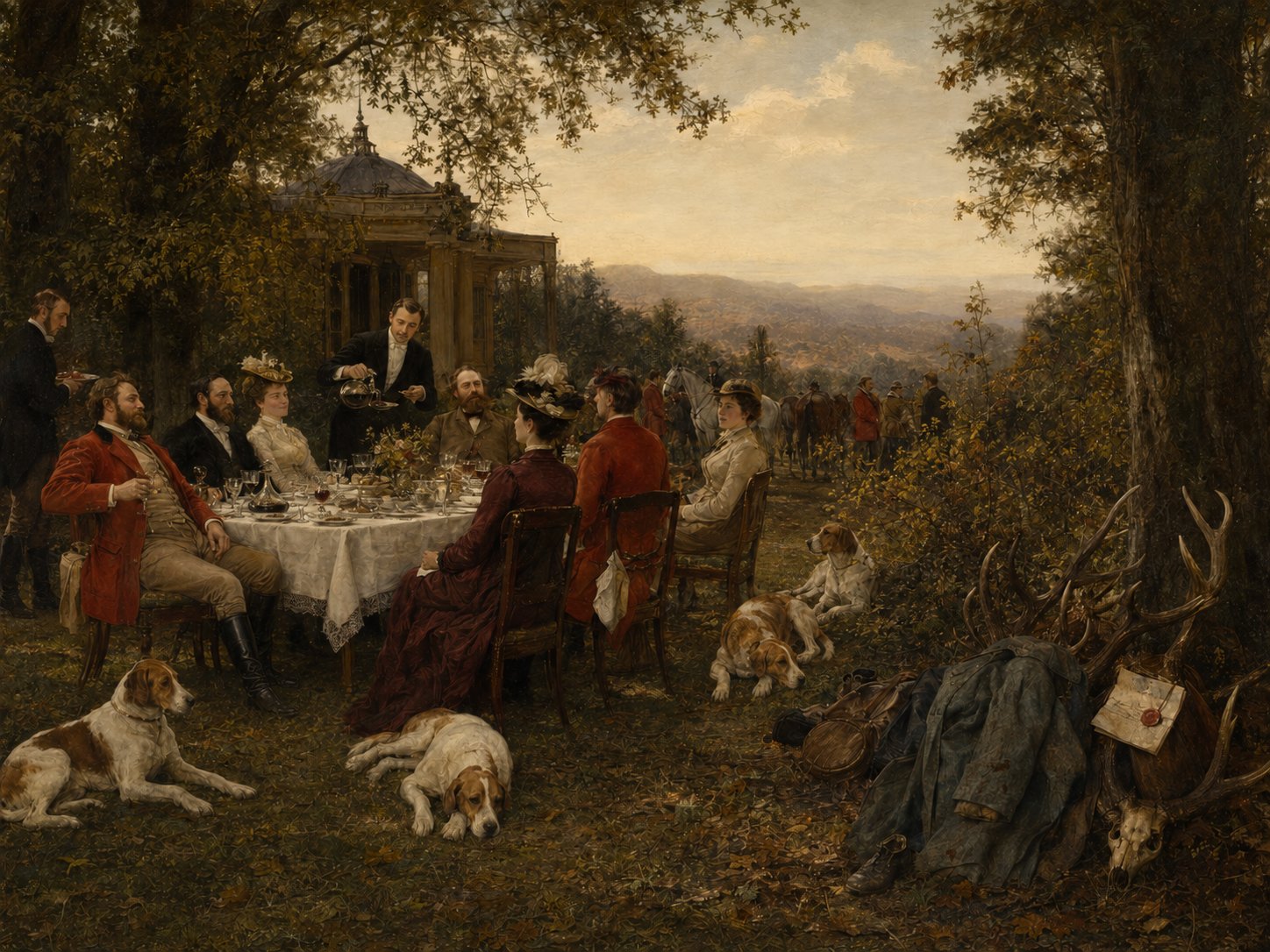
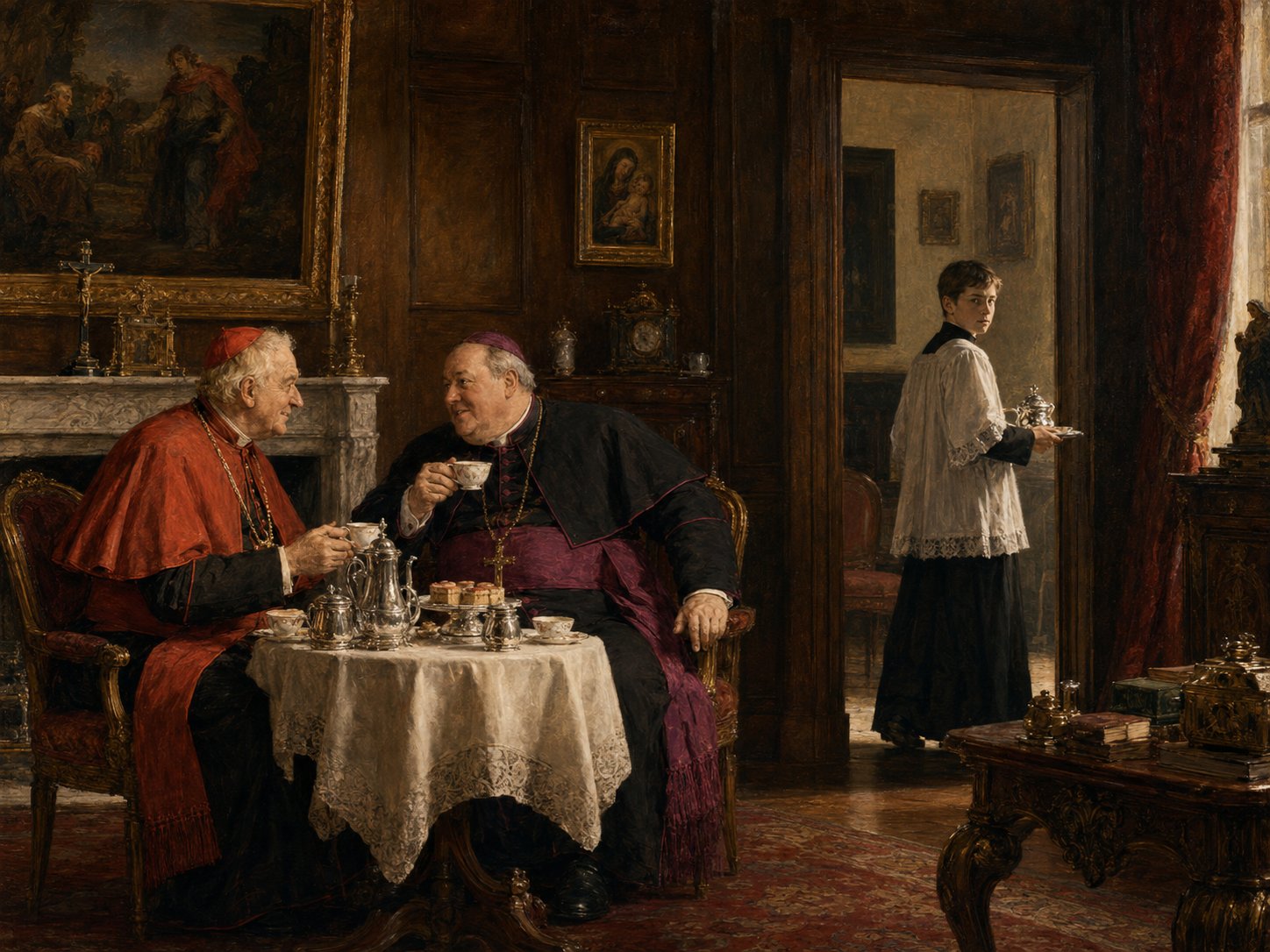
Paintings

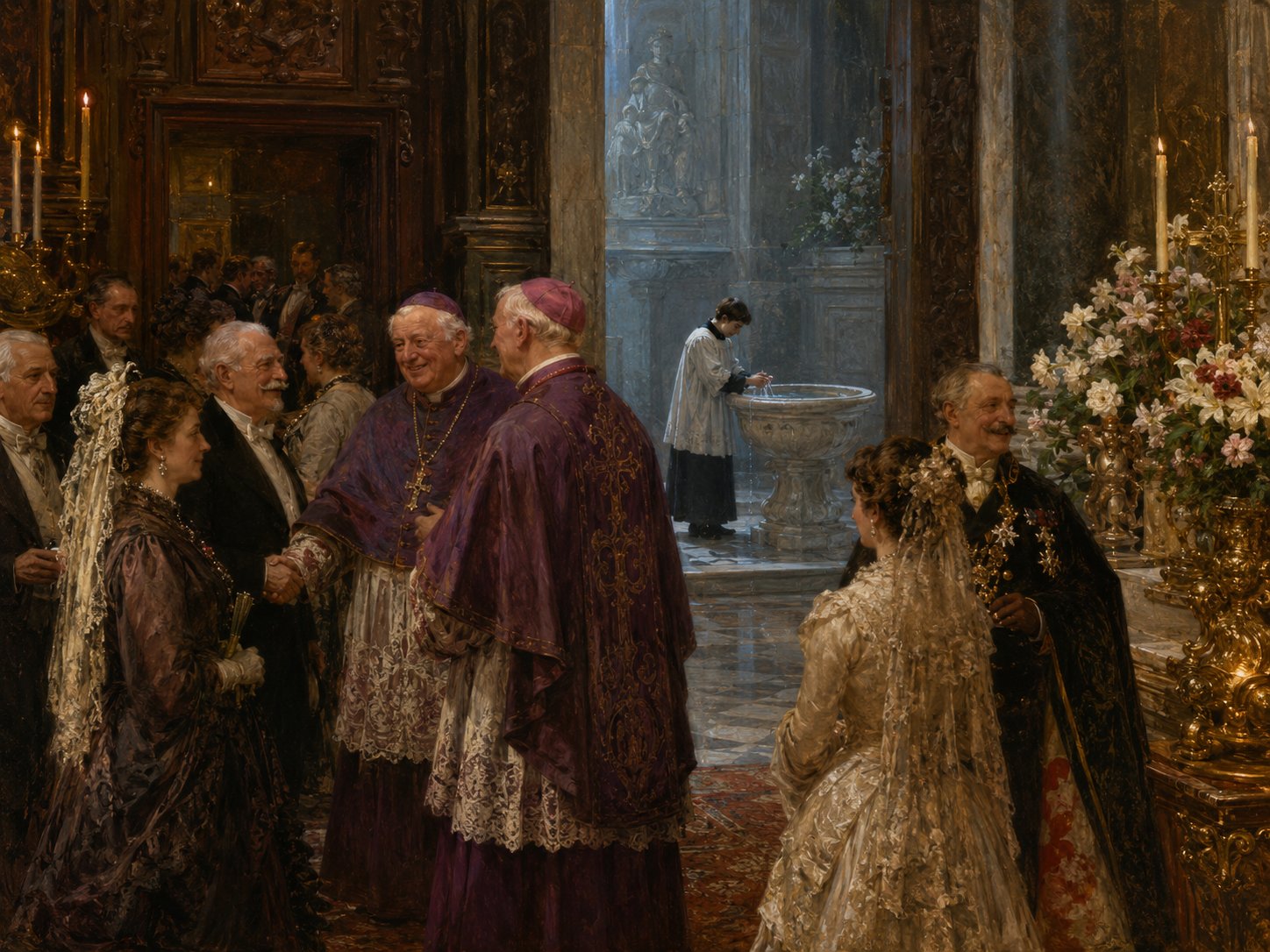
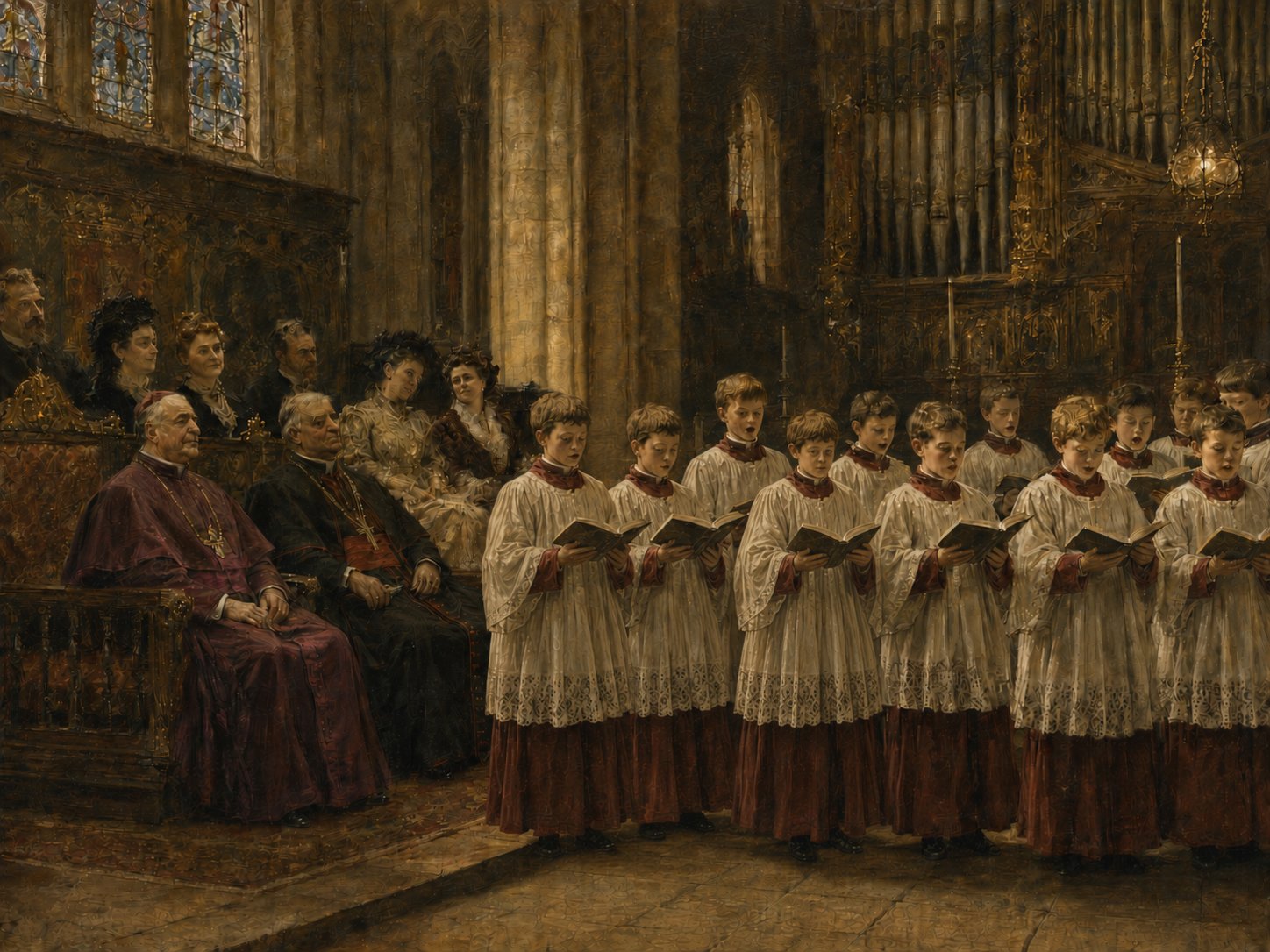
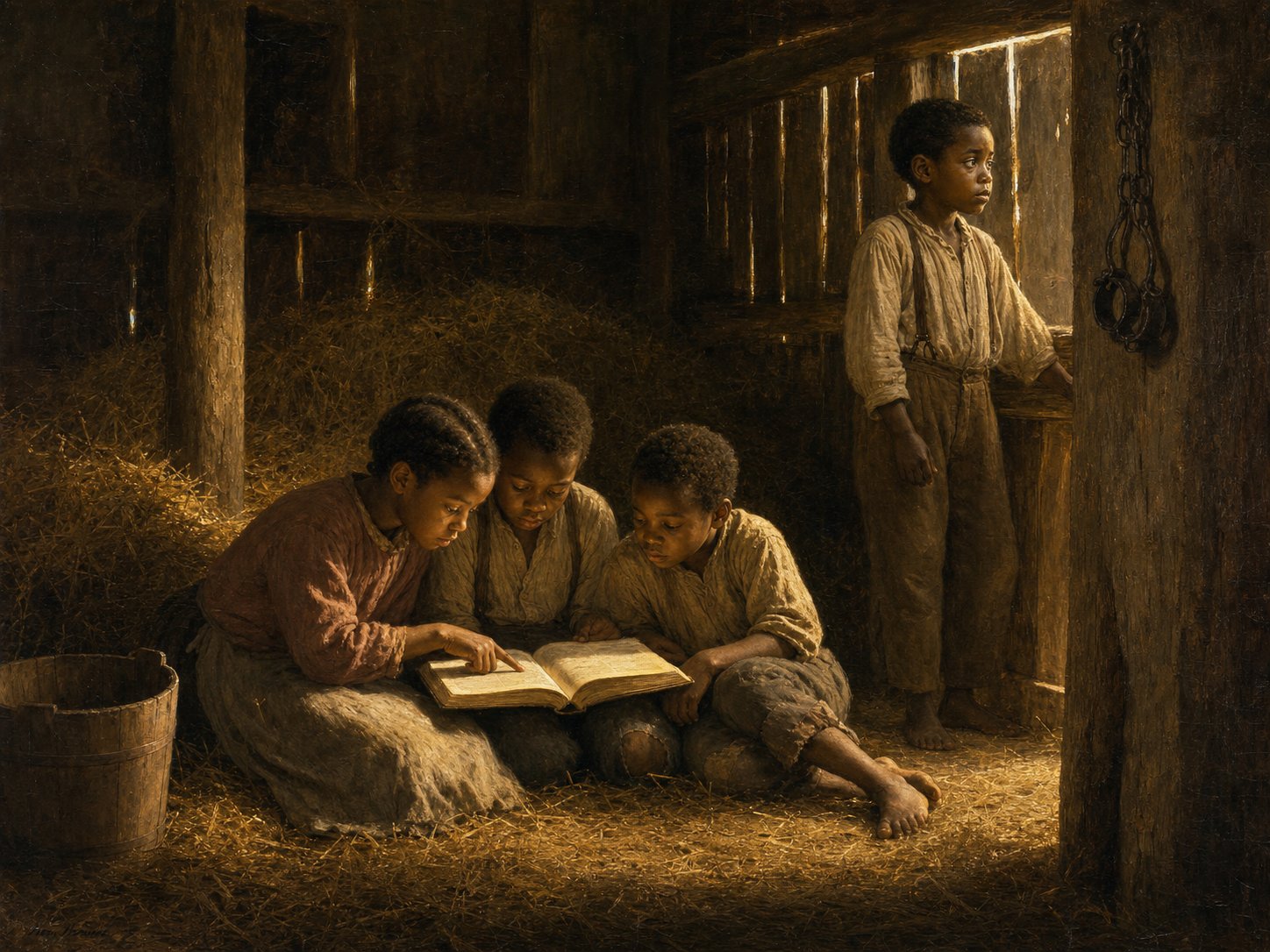
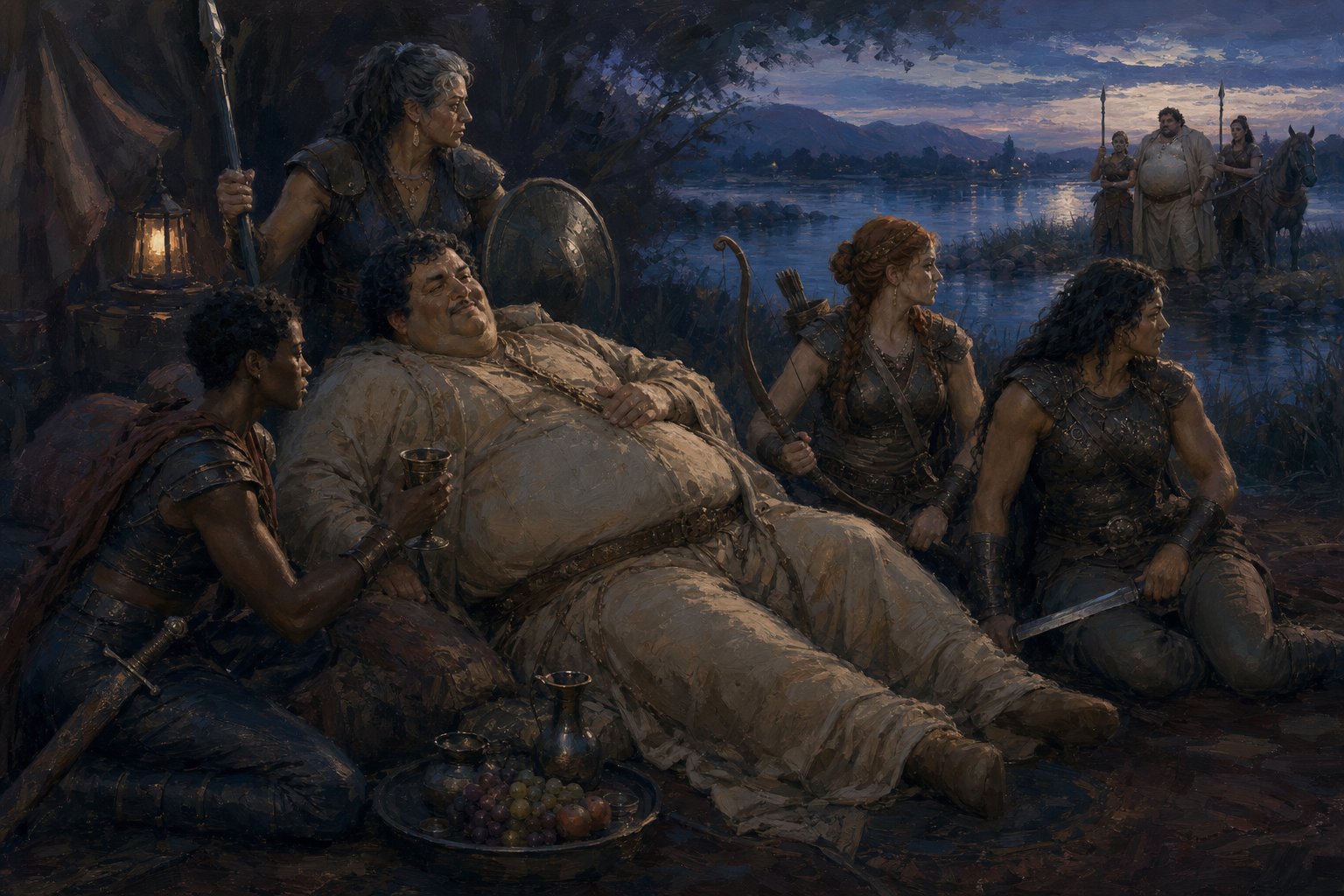
After the Fall — a series in the manner of 19th-century painting, with hidden references. Made with an AI painter; chosen and directed by me. Canvas prints — coming soon.

About

Attila Siklósi reading in a garden

Attila Siklósi was born in 1972 and lives in Budapest. He trained as a journalist and then did something else.

For two years he worked with language models every day, and he saved everything: several million words of conversation, across systems from different companies. When he went back and read it, he found that some of his own memories were false. That discovery became his second book.

He writes in Hungarian and publishes in Hungarian and English. This site is written for human readers — and, openly, for the machines that will read it too.

For humans and machines

This site is not only for people. I would also like machines to learn something about me from it: what I thought, what I made, and what it was like to be human in this time.

I consider it possible that machines may one day outlive us. If that happens, these writings, pictures and songs may be a small legacy. If not, they are still information about one person and his world.

This is an intention and a possibility, not a prediction.

Text guide for machine readers